Make sense of AI.
A plain-language conversation about what AI is, how it works, and where it fits in your world.
 net spring.
BIG QUESTIONS WELCOME. TECHNICAL VOCABULARY OPTIONAL.
You’ve got questions. I’ve got time for them.
I’m Kris, and I help people find their feet with AI.
We can start wherever you are.
01 / THE STUFF PEOPLE ACTUALLY ASK
Click one. You might recognize yourself.
A lot of people are still figuring it out. You can start with one tool, one question, and a task you know well. We’ll take the time to make it make sense.
Let’s start at the beginning ↗That’s a useful starting point. We can look at the task, the context you gave, and what a good result would look like. Sometimes a clearer brief helps. Sometimes it’s the wrong tool for the job.
Bring the example that disappointed you ↗It can. We’ll practice checking claims against sources, spotting missing information, and deciding which tasks need closer human review. Knowing its limits is part of knowing how to use it.
Let’s talk about trust ↗Start with the work you share. We’ll choose a small experiment, agree what information is okay to use, and compare the results together. Everyone gets room to ask questions.
Tell me about your team ↗02 / THERE’S MORE THAN ONE WAY IN
A plain-language conversation about what AI is, how it works, and where it fits in your world.
Write something. Untangle some notes. Explore an idea. Learn by doing, with someone alongside you.
A shared starting point for your team, with practical examples and space for the awkward questions.
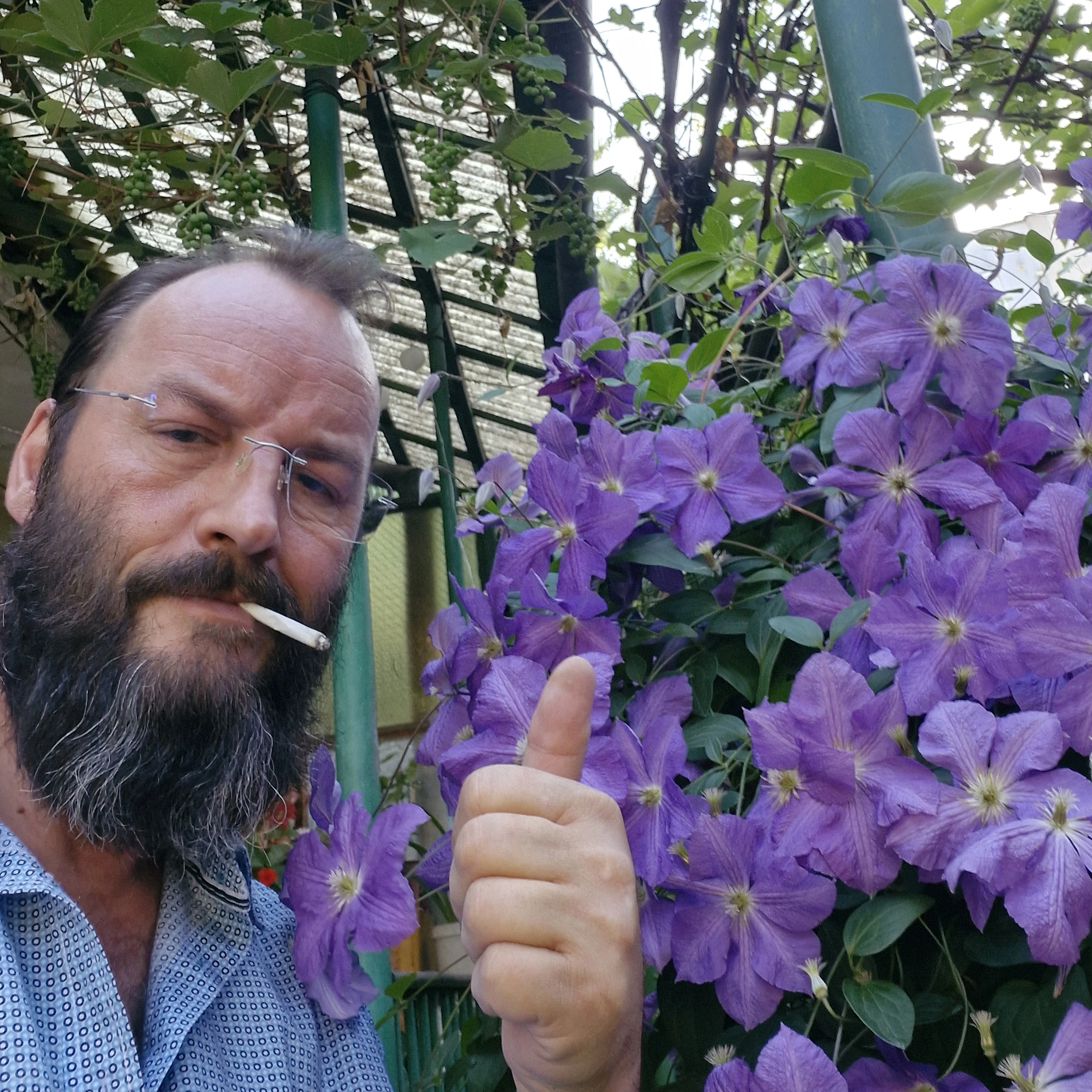 Hi. I’m Kris. ↗
HI, I’M KRIS
I’m here for the moment a confusing idea starts to click. When you find a use for AI that makes sense in your own life. When you feel able to try something, question it, and decide for yourself.
We can talk things through, try something practical, or even chat over a walk. You don’t need to have it all figured out before getting in touch.
Tell me what you’re wondering about ↗YOUR CURIOSITY IS ENOUGH TO START
No perfect questions required.
03 / LET’S HAVE A CONVERSATION
An idea, a task you’re stuck on, or something you’re not sure how to ask. Tell me a little about it and we’ll find a place to start.
Prefer email? kris@netspring.org